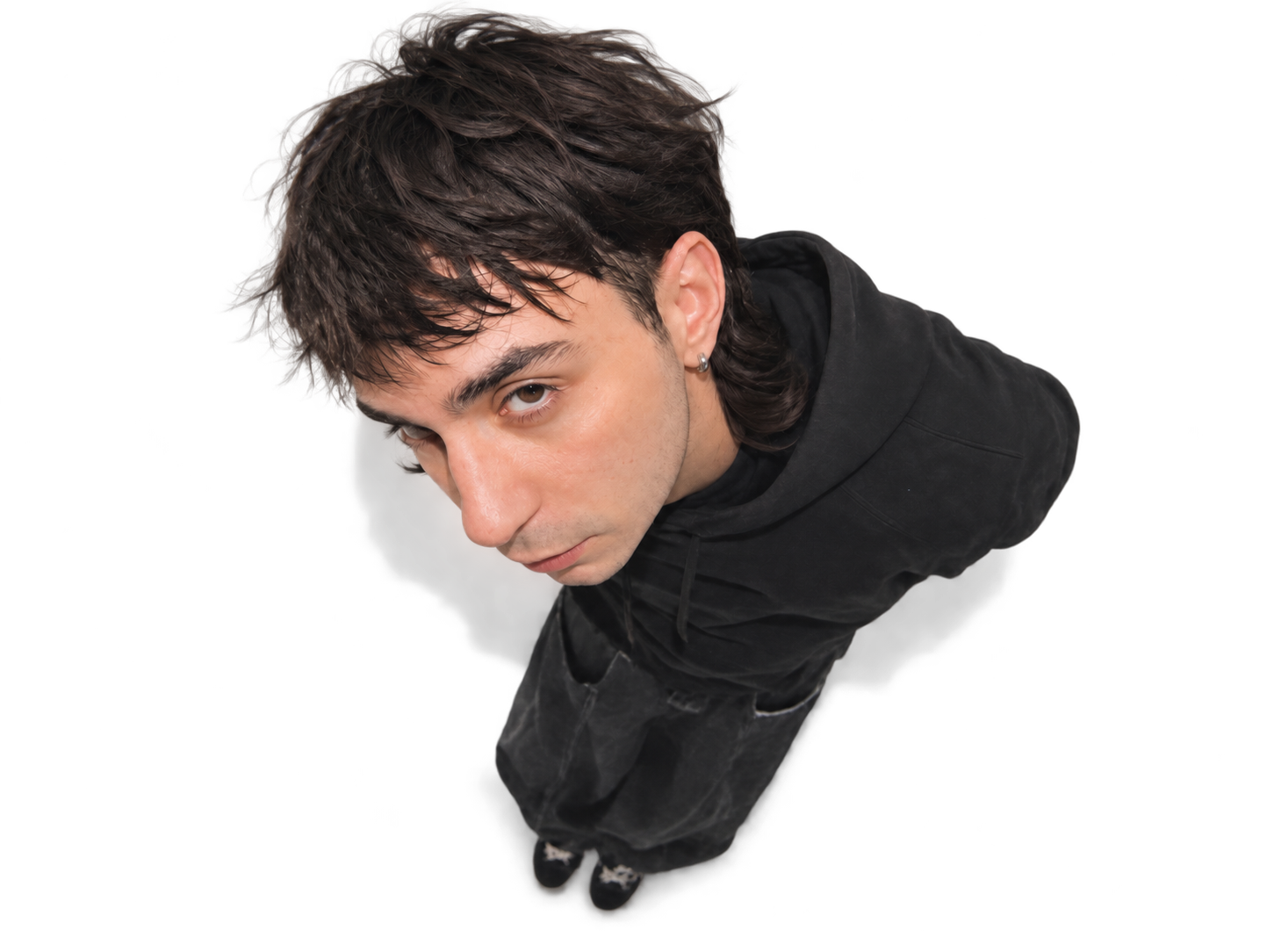
Özgür Eyuboğlu is a multidisciplinary digital media artist working across installation, video, photography, and illustration. His practice brings together AI-driven creative processes, algorithmic art, and generative design to explore the relationship between physical and virtual environments. He examines how technological systems shape perception, visual culture, and everyday experience.
Artistic Practice
Özgür combines data-driven imagery, real-time visual processes, and interactive systems with experimentation across media and materials. Working with everyday objects and imagery drawn from digital culture, he translates virtual structures and processes into physical forms and spatial arrangements. By placing familiar objects and technological imagery in new contexts, he examines the relationships between the tangible and intangible, the visible and invisible. Through generative imagery and interactive installations, he investigates the relationship between individuals and systems of control, questioning how technology shapes our experiences. His approach connects technological experimentation with an exploration of visual form, aesthetics, and the viewer’s experience.
Education and Interdisciplinary Approach
Özgür Eyuboğlu studies photography at Mimar Sinan Fine Arts University in Istanbul and computer programming at Anadolu University. His education in these two fields informs a practice that brings together visual storytelling, spatial thinking, material experimentation, and digital processes.
Artist Statement
My work explores how digital images, structures, and processes can take physical form. Through installation and moving image, I translate elements of digital culture into objects and spatial experiences. By reshaping familiar objects and placing technological imagery in new contexts, I examine the intersections between physical and virtual environments. I am interested in how technological systems record our presence, influence our behaviour, and shape the ways we perceive ourselves and our surroundings. These questions guide my exploration of the relationship between individual experience and systems of control. I approach technology as an environment that shapes how we see, remember, and act. By making its often invisible structures and processes tangible, my work invites a reconsideration of our relationship with technology.